The Nurse Is In: Why Nurse Education and Caregiver Coaching Matter
From the Kitchen Table

The Nurse Is In: Why Nurse Education and Caregiver Coaching Matter
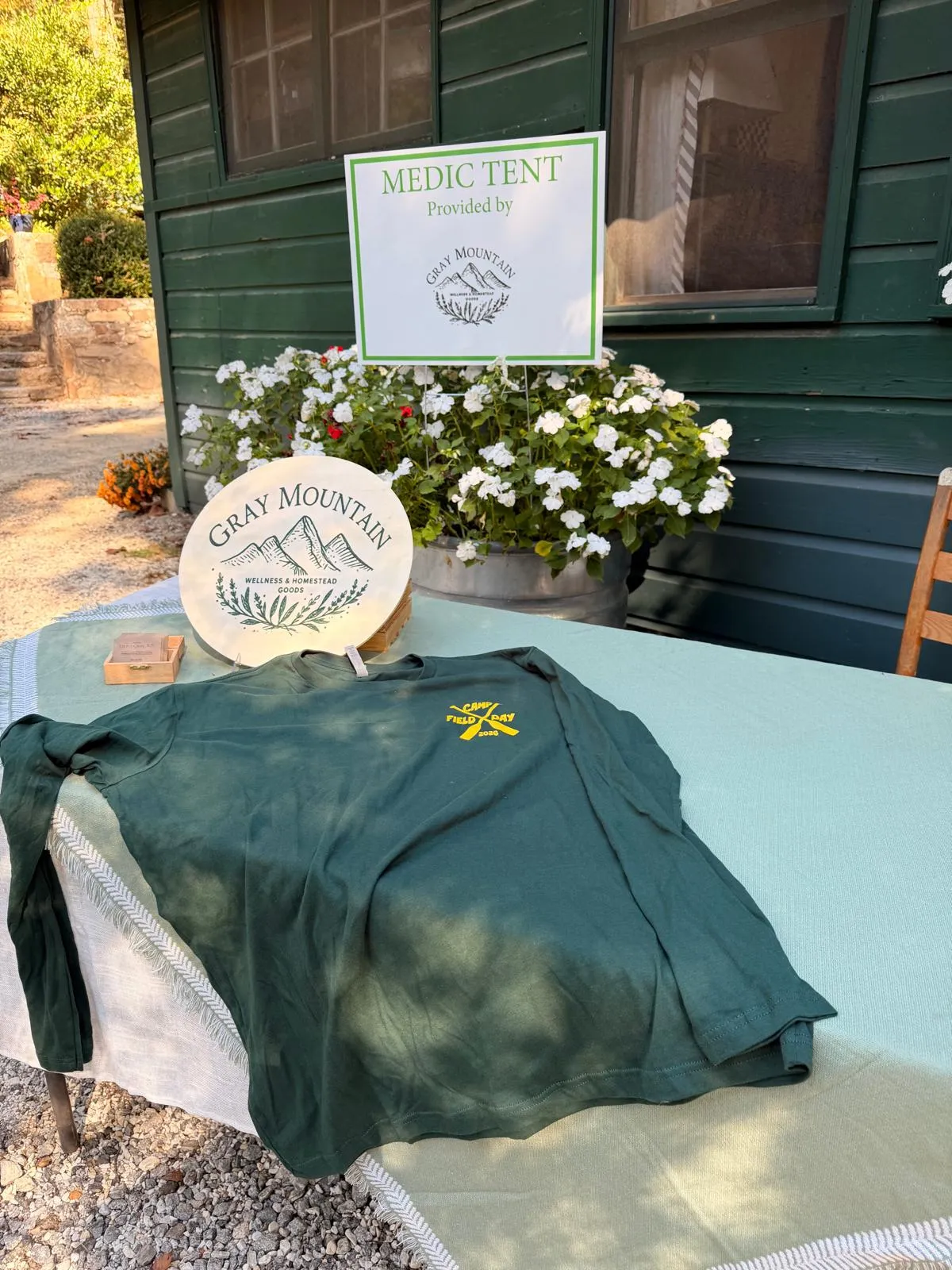
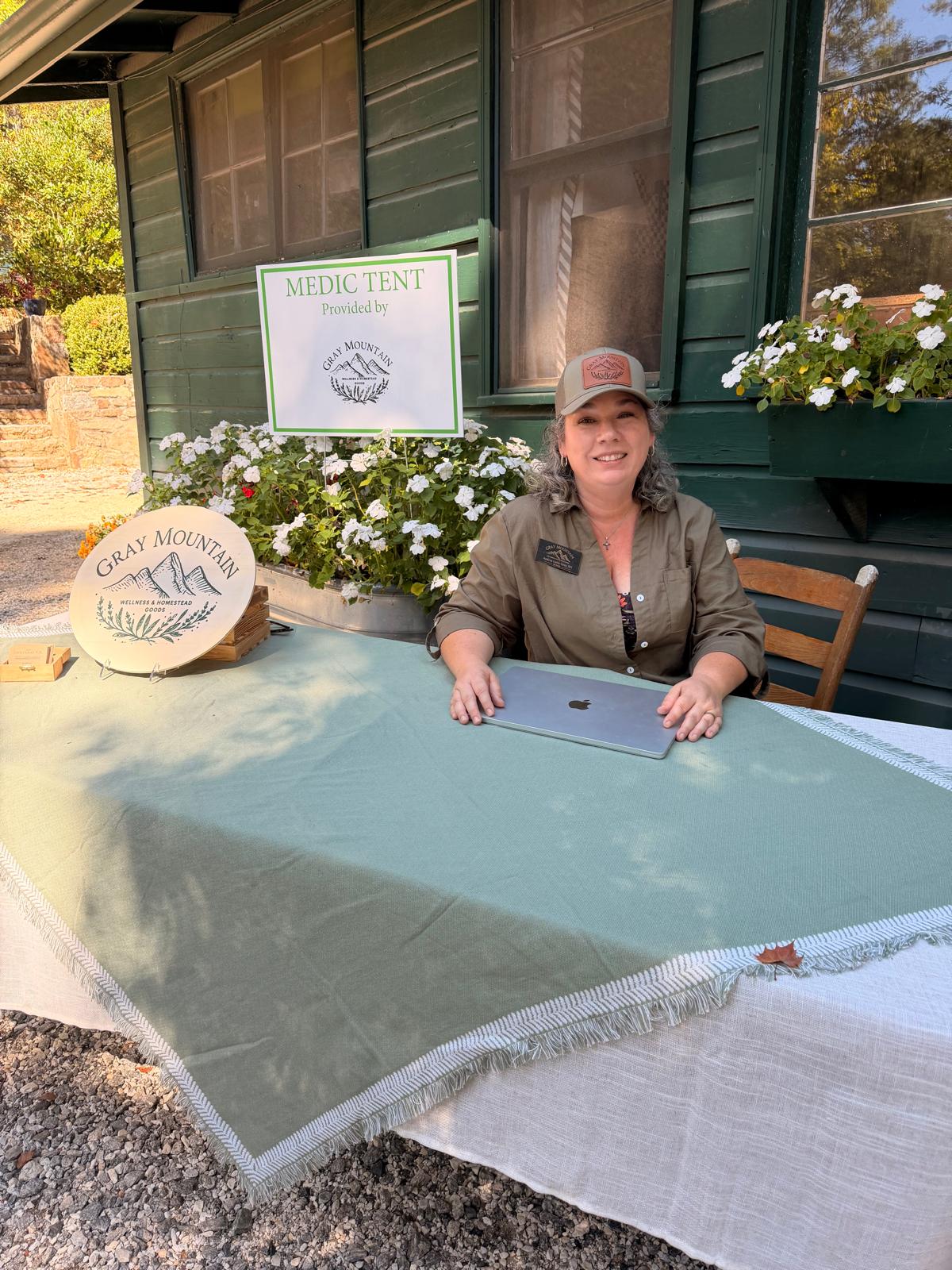
It’s a beautiful day to be a nurse—and today, that means being at Camp Ton-a-Wandah with the Henderson County Chamber of Commerce for Camp Field Day.
I’m spending the day in the medic tent, ready for whatever comes my way. A few scrapes, a blister or two, a headache, somebody who needs some water, and hopefully a whole lot of fun in between.
There’s something I really love about working as a nurse outside of the traditional hospital setting. Nursing has taken me into hospitals, hospice, homes, camps, schools, businesses, and community settings, and one thing has remained the same: people often don't need someone to take over. They need someone to teach them what to do.
That is a big part of what I’m building through Gray Mountain Wellness.
Sometimes the best nursing care is education.
As nurses, we spend years learning how to assess a situation, recognize when something isn't right, respond to changes, communicate with healthcare providers, and help families navigate some pretty overwhelming situations.
But when a patient goes home, the nurse usually goes home too.
That’s when the family caregiver is left holding the medication list, the discharge instructions, the wound supplies, the feeding equipment, the appointment schedule—and sometimes a whole lot of anxiety.
What am I supposed to do?
What if something goes wrong?
How do I know when this is serious?
Am I giving this medication correctly?
What am I supposed to watch for?
Those are reasonable questions.
And sometimes what a caregiver needs isn't another stack of instructions. They need someone to slow down, explain it, demonstrate it, and give them the confidence to do it themselves.
That’s where nurse caregiver coaching can make such a difference.
Teaching the person who is actually going to be there.
I’ve spent much of my nursing career caring for people in situations where family members and caregivers are an important part of the care team.
I've seen what happens when caregivers feel prepared—and I've seen what happens when they don't.
Caregiving can be intimidating. Even something that seems simple to a healthcare professional can feel completely different when you're sitting at home with someone you love and you're the one responsible for getting it right.
My goal with caregiver education isn't to turn family members into nurses.
It's to help them become confident caregivers.
That might mean teaching practical skills such as medication administration, understanding basic medical terminology, recognizing changes that need attention, preparing for a healthcare appointment, organizing information for multiple providers, or understanding what questions to ask.
It might also mean helping a family think through how they are going to manage care at home before they find themselves in a crisis.
And sometimes it simply means having a nurse who can say, “Let's walk through this together.”
Education isn't just for caregivers.
This same philosophy applies to organizations, schools, camps, churches, agencies, and other groups that care for people.
The people responsible for others don't necessarily need a medical degree. But they may need practical medical education that fits the environment they're actually working in.
What do you do when someone has a seizure?
What should staff know about medication administration?
What does a medical emergency look like before it becomes an emergency?
What information should be gathered before calling a parent, caregiver, EMS, or healthcare provider?
How do you respond calmly when everyone else is looking at you?
These are the kinds of questions that good education can help answer.
I've always believed that people are more capable when they have the right information and someone willing to teach them how to use it.
That's where “The Nurse Is In” comes in.
One of the things I love about Gray Mountain Wellness is that it gives me a place to bring together the different parts of my experience as a nurse, educator, caregiver, and herbalist.
Not every situation requires a doctor's visit.
Not every question requires an emergency room.
And not every caregiver needs someone to come into their home and take over.
Sometimes they need education, preparation, practical skills, and a little confidence.
That's what nurse consulting and caregiver coaching can provide.
So today, while I'm sitting in the medic tent at camp with my first-aid supplies nearby, I'm reminded once again why I love nursing.
Yes, I love taking care of people.
But I also love teaching people how to take care of the people they love.
And that may be one of the most rewarding parts of being a nurse.
The Nurse Is In. 🩺
Sometimes I'm in the medic tent.
Sometimes I'm teaching a class.
Sometimes I'm helping a caregiver prepare for what's coming next.
And sometimes I'm sitting across the table from a family saying, “Okay. Let's figure this out together.”
That's Gray Mountain Wellness.
Andrea
